

The most popular advice about menopause supplements is also the least honest. It usually starts with a cheerful list of herbs, promises “natural relief,” and skips the inconvenient part: for hot flashes and night sweats, many of the best-known supplements haven't consistently beaten placebo in major reviews. That doesn't mean supplements are useless. It means you need a sharper filter.
Menopause is personal. Symptoms vary, priorities vary, and tolerance for risk varies. Some women want help with vasomotor symptoms. Others care more about sleep, muscle loss, mood, joint stiffness, vaginal tissue changes, or long-term cardiovascular and bone support. A single “best supplement” doesn't exist across all of those needs.
A more useful approach is to separate marketing from evidence, then separate symptom relief from foundational support, then check whether a product is well made. In practice, quality matters because many formulas are sold with claims that outpace the research. If benefit is uncertain, purity, label accuracy, and ingredient transparency become even more important.
This is how I counsel patients: match the supplement to the problem you're trying to solve, be realistic about the likely effect, and don't confuse popularity with proof.
Table of Contents
- Navigating Menopause in a World of Empty Promises
- Decoding Your Body's Signals
- The Evidence on Common Herbal Supplements
- Foundational Nutrients for Long-Term Health
- Emerging Support for Muscle, Skin, and Brain Health
- How to Choose a Quality Supplement
- Shopping Smart and Seeking Professional Advice
Navigating Menopause in a World of Empty Promises
The menopause supplement market often sounds more confident than the evidence deserves. That gap matters.
For hot flashes and night sweats, many of the products marketed most aggressively perform at or near placebo level in clinical use. Some herbs show mixed findings. Some formulas are built on ingredients that are biologically interesting but poorly studied in actual menopause outcomes. Some women still report benefit, and I do not dismiss that. I do insist on separating personal experience from proof before calling a supplement effective.
That distinction gets lost fast once marketing takes over. Black cohosh, red clover, soy blends, adaptogens, and multi-ingredient “menopause support” products are usually presented as if they solve menopause broadly. They do not. Menopause is not a single problem, and no capsule addresses every part of it.
Clinical reality: “Natural” does not automatically mean effective, and it does not automatically mean safer.
A better question is not, “What is the best supplement for menopause?” A better question is, “What am I trying to help, and what level of evidence supports that choice?” Hot flashes, sleep disruption, low mood, brain fog, vaginal dryness, joint discomfort, and changes in muscle or body composition do not all respond to the same interventions. That is one reason broad recommendation lists are so disappointing in practice.
This is also where quality control becomes more than a technical detail. If expected benefit is modest, product quality matters even more. An underdosed formula, contaminated product, or proprietary blend with unclear amounts can turn a maybe-helpful option into a waste of money.
Use four filters before buying anything:
- Define the symptom clearly
- Check whether evidence is strong, mixed, or weak
- Decide whether the goal is short-term symptom relief, long-term support, or both
- Look for independent third-party testing
The last point deserves more attention than it usually gets. Verification from groups such as USP, NSF, or ConsumerLab is often more useful than a dramatic label claim. In practice, I would rather see a simpler product with transparent dosing and third-party testing than a flashy menopause blend making promises it cannot support.
If weight changes, appetite shifts, or metabolic concerns are part of the picture, it can help to read Weight Method's GLP-1 and menopause insights, which looks at how menopause-related hormonal changes can intersect with blood sugar regulation and body composition.
Good menopause care starts with realism. Supplements can play a role, but they should earn their place with plausible mechanisms, honest evidence, and verified quality.
Decoding Your Body's Signals
Menopause can feel random, but it isn't. The better model is an orchestra whose conductor is stepping back. Estrogen influences the brain, blood vessels, connective tissue, metabolism, and signaling related to temperature regulation. When that leadership changes, different systems drift out of sync in different women.

Why symptoms feel so different from person to person
One woman mainly notices sudden heat and sweating. Another says she can't sleep, loses words mid-sentence, and feels emotionally unlike herself. Another feels older in her joints and weaker in the gym before she ever complains about hot flashes.
That variation is why broad supplement lists are so unsatisfying. They flatten very different experiences into one shopping cart.
If weight changes and metabolic symptoms are part of the picture, it can also help to read Weight Method's GLP-1 and menopause insights, which discusses how menopause-related hormonal shifts can intersect with appetite, blood sugar regulation, and body composition.
Match the symptom to the likely driver
Here's the practical way to think about common signals:
- Hot flashes and night sweats: These usually point to disrupted thermoregulation. In this area, supplement evidence is the most heavily marketed and often the most disappointing.
- Sleep disruption: Sometimes sleep is disturbed by night sweats. Sometimes the issue is more about nervous system arousal, mood, or changing stress tolerance.
- Mood swings and irritability: Hormonal shifts can affect emotional steadiness, but blood sugar instability, poor sleep, and stress load often intensify the experience.
- Brain fog: Many women describe lapses in concentration, slower recall, or mental fatigue rather than true memory loss.
- Joint pain and tissue stiffness: Falling estrogen can leave connective tissues feeling less resilient. This often gets less attention than hot flashes, even though it can be just as disruptive.
Don't treat “menopause” as if it were a single symptom. Treat the pattern you actually have.
When readers look for the best supplements for menopause, they usually mean the best supplement for the symptom that's making daily life harder. That distinction changes everything. It also prevents overbuying formulas filled with ingredients that don't match your real complaint.
The Evidence on Common Herbal Supplements
Menopause supplement marketing often outruns the evidence. Herbal formulas dominate search results and store shelves, yet many produce results that are modest, inconsistent, or hard to separate from placebo.
That does not make every herb useless. It means expectations need to be calibrated, and product quality matters as much as ingredient choice.
Black cohosh: common, familiar, still uncertain
Black cohosh remains one of the most studied menopause herbs, mainly for hot flashes and night sweats. Even so, major reviews have not shown a clear, dependable advantage over placebo. In practice, that puts black cohosh in the "possible trial, not a reliable solution" category.
Dose ranges in studies vary, and so do formulations. That matters because one bottle may use a standardized extract while another uses plain powdered root, and those are not clinically interchangeable. If someone wants to try it, I recommend checking the label closely and looking for third-party testing rather than assuming a popular brand is a better brand.
For readers comparing labels, this Amazing Formulas Black Cohosh 540mg 120 caps female hormonal balance option is the kind of product page worth reviewing for extract details, serving size, and inactive ingredients before buying.
A fair clinical summary is simple. Black cohosh may help some women, but the average effect is uncertain, and the evidence does not support presenting it as a dependable first-line answer for vasomotor symptoms.
Soy isoflavones and red clover: more plausible mechanism, mixed real-world payoff
Soy isoflavones get more attention from clinicians because the mechanism is at least biologically plausible. They act as phytoestrogens and interact with estrogen receptors involved in temperature regulation. Some trials suggest a modest reduction in hot flashes, but results are inconsistent, and the average benefit is not dramatic.
This is the trade-off I discuss with patients. Soy isoflavones make more sense on paper than many menopause blends, but a plausible mechanism is not the same as a strong clinical outcome. If symptoms are frequent and disruptive, women should know they may spend weeks on a product and notice very little.
Red clover is often grouped with soy because it also contains isoflavones. The evidence is weaker and less consistent. Some products market it for both symptom relief and bone support, but the current research does not justify high confidence in either use.
Evening primrose oil and DIM blends
Evening primrose oil is widely marketed for menopause, yet the evidence for symptom relief remains underwhelming. I do not consider it a dependable option for hot flashes, sleep disruption, or mood symptoms unless there is a very specific reason to test it.
DIM products are also popular in hormone support marketing. The rationale usually centers on estrogen metabolism, but that is not the same as proof that a supplement improves menopause symptoms people feel day to day. Readers who come across blended products such as DIM Caps & HSN Complex should judge them by the same standards as any other formula. Clear ingredient amounts, third-party testing, and claims that stay close to the evidence.
A supplement can sound hormone-smart and still perform at placebo level in real life.
Evidence Summary for Common Menopause Supplements
| Supplement | Primary Target Symptom(s) | Level of Evidence (from major studies) | Typical Dosage Range |
|---|---|---|---|
| Black cohosh | Hot flashes, night sweats | Mixed and inconclusive. Major reviews have not shown a clear, reliable benefit over placebo | Varies by extract and product |
| Soy isoflavones | Hot flashes | Modest potential benefit, but trial results are inconsistent | Commonly studied in moderate daily isoflavone doses |
| Red clover | Menopausal symptoms, bone-related concerns | Conflicting and inconclusive | Not clearly established from consistent data |
| Evening primrose oil | Broad menopause symptom claims | Unproven for dependable symptom relief | Not clearly established from consistent data |
| DIM blends | Hormone metabolism support claims | Mechanistic rationale exists, but symptom-specific evidence is limited | Product-dependent |
If hot flashes are the main problem, herbal supplements deserve a cautious trial mindset, not blind confidence. Choose products with independent quality verification, give them a defined test period, and stop if there is no meaningful change.
Foundational Nutrients for Long-Term Health
The strongest supplement decisions in menopause often have less to do with chasing an herb and more to do with supporting systems that become more vulnerable with hormonal change. That includes cardiovascular health, inflammation, bone support, and overall nutritional resilience.
What belongs in a foundation plan
Omega-3 fatty acids stand out here because they may support more than one goal at once. In one randomized controlled trial, 2,000 mg EPA+DHA daily led to a 55% reduction in hot flash frequency after 8 weeks while also supporting cardiovascular health and lowering inflammatory signaling such as TNF-α and IL-6, as described in this dietitian-ranked review of menopause supplements.
That doesn't mean omega-3s are a guaranteed hot flash solution. It means they're one of the more interesting options when a woman wants both symptom support and broader metabolic or cardiovascular value.
Other foundational nutrients matter too, even when the exact symptom payoff is less dramatic:
- Calcium and vitamin D: Think of these as structural support, especially when bone health is a concern over the long run.
- Magnesium: Often useful in practice for women focused on sleep quality, muscle tension, or a generally overactivated nervous system.
- Probiotics: Best viewed as a targeted tool for gut support rather than a universal menopause fix.
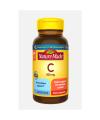
- B-complex vitamins and vitamin C: These become especially relevant when diet is inconsistent or nutrient intake is low.
Some women also ask about estrogen metabolism support products. If that's part of your discussion with a clinician, DIM Caps & HSN Complex is one example of the kind of formula people often review alongside broader menopause care plans.
Timing matters more than trendiness
One of the more interesting findings in recent research is that supplementation may matter differently before menopause than during it. A large prospective cohort study of 3,566 UK women found that fish oil was associated with a 95% reduced hazard of early menopause onset with HR 0.05; 95% CI 0.02–0.09, while vitamin B-complex (HR 0.48), antioxidant mixtures (HR 0.54), and vitamin C (HR 0.75) were also linked to later menopause onset in this 2024 cohort study.
That's a different question from symptom relief, and it's an important distinction. A nutrient may influence timing or long-term physiology without being a reliable rescue tool for hot flashes.
For readers who want a straightforward foundational option for bone-focused support, this calcium with vitamin D3 supplement is the kind of product to evaluate based on dose transparency and how well it fits the rest of your regimen.
Emerging Support for Muscle, Skin, and Brain Health
The conversation around the best supplements for menopause is finally broadening. That's overdue. Many women don't just feel hot. They feel weaker, less resilient, more achy, and mentally flatter than before. Herbal hot flash formulas don't address that very well.

Creatine for strength and mental energy
Recent reporting from 2026 describes creatine as an “emerging star” for muscle strength, energy, and cognitive function, with a suggested starting point of 5 g daily for non-athletes, according to this expert guide on menopause supplements.
I like this shift in emphasis. It reflects what many women notice in midlife. They may not care only about vasomotor symptoms. They want to preserve strength, train well, recover well, and feel mentally switched on.
A supplement can be worth considering even if it doesn't target hot flashes, provided it matches a real decline you're experiencing.
Collagen for tissue integrity
The same emerging guidance highlights marine collagen combined with vitamin C for vaginal wall integrity, pelvic floor health, and joint elasticity. That's a meaningful expansion of the menopause conversation because tissue thinning and connective tissue changes can affect comfort, movement, and confidence.
If collagen is on your list, a product such as Amplicell unflavored collagen peptides powder for skin, nails, and hair support can serve as an example of what to inspect for ingredient simplicity and compatibility with your routine.
These newer options won't replace medical care when symptoms are severe. But they fit a broader, more realistic model of menopause support. One that values muscle, mobility, tissue quality, and brain function, not just hot flash counts.
How to Choose a Quality Supplement
When efficacy is uncertain, quality control becomes paramount. This is one of the biggest gaps in menopause supplement advice. Many articles rank products by trend or testimonials, when the first screen should be manufacturing quality and independent verification.

The label checks that actually matter
Major authorities have pointed out that popular menopause herbs are often statistically indistinguishable from sugar pills, which is why Harvard's discussion of menopause supplements and empty promises makes the case for focusing on third-party testing certifications such as USP and NSF.
That advice is practical, not cynical. If a product might or might not help, the least you should demand is confidence that it contains what the label says and avoids obvious quality problems.
Here's what I tell patients to look for first:
- Third-party testing: USP and NSF are strong signals that an outside organization has reviewed quality standards.
- Transparent dosing: Avoid formulas that hide ingredient amounts inside proprietary blends.
- Simple labels: Fewer unnecessary extras usually make a product easier to evaluate.
- Appropriate form: Ingredient form matters. Magnesium glycinate and magnesium oxide are not interchangeable in how people tolerate them.
- Allergen and diet fit: If you need vegan, gluten-free, or dairy-free products, verify that explicitly.
A practical buying checklist
Use this short checklist before you buy:
- Confirm the active ingredient matches your actual goal, not just the front-label claim.
- Check the serving size so you know whether the studied amount is even plausible.
- Look for USP or NSF before you get distracted by branding.
- Skip proprietary blends unless every ingredient amount is clearly disclosed.
- Review the full supplement facts panel for fillers, sweeteners, and duplicate nutrients.
- Bring the product list to your clinician if you take medications, use hormone therapy, or have liver concerns.
Buy supplements the way you'd choose a lab test. Start with reliability, not hype.
Shopping Smart and Seeking Professional Advice
A menopause label on the front of a bottle is often the least useful part of the product. What matters is whether the formula matches your actual goal, whether the dose is plausible, and whether the product has credible quality verification. Retail filters can help you sort a crowded catalog, but they do not separate evidence-based options from supplements that perform at little more than placebo level.
If you are browsing a broad supplement retailer, start with the symptom or health priority instead of the word “menopause.” Search by category first, such as magnesium, omega-3s, creatine, collagen, sleep support, or targeted herbal ingredients. Then read the Supplement Facts panel carefully. That approach is slower, but it cuts down on impulse buys and makes it easier to compare products that may look similar on the front label and differ substantially in dose, form, and excipients.
Supplemynts Inc can be used as a category-based retailer during that first screening step, as noted earlier. The useful part is not branding. It is the ability to sort products by type and then inspect labels one at a time with the quality checklist above.
Professional input still matters. Hot flashes, sleep disruption, low mood, weight change, brain fog, and fatigue do not always come from menopause alone. I often remind patients that thyroid dysfunction, iron deficiency, sleep apnea, medication effects, depression, and insulin resistance can look very similar at first glance. A supplement may be reasonable, but it should not delay a proper workup.
For readers weighing supplements against prescription treatment, or considering both together, ProMD Health for menopause support gives a clear overview of hormone therapy options and where medical care may fit.
Bring a shortlist to a clinician or registered dietitian before you start stacking products. That step matters most if you use hormone therapy, antidepressants, blood thinners, thyroid medication, or several supplements at once. Good menopause care is rarely about buying more. It is about choosing fewer products, with better evidence and better quality control.






Please complete your information below to login.
Sign In
Create New Account