


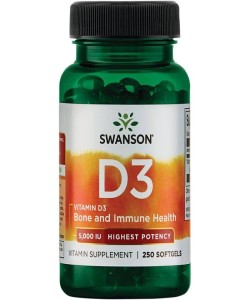
VITAMIN D3: THE SUNSHINE NUTRIENT FOR BONE STRENGTH & IMMUNE HEALTH
Discover how vitamin D3—often called the sunshine vitamin—helps you stay strong, resilient, and energized year-round, especially when sunlight is limited.
The Winter I Finally Understood Sunlight
One February morning, I found myself yawning through meetings and feeling unusually tired. My doctor didn’t blame stress—she mentioned low vitamin D. I laughed at first. “Vitamin D? Isn’t that just about bones?” She smiled and said, “It’s about almost everything.” That simple conversation led me to learn how vitamin D3 quietly powers energy, mood, and immunity.
Why So Many People Are Low on D3
Modern life happens indoors—behind screens, under fluorescent light. Add sunscreen (important, but limiting UV exposure), long winters, darker skin tones, or limited dietary intake, and it’s easy to fall short. According to the NIH, roughly 1 billion people worldwide have insufficient vitamin D levels.
How Vitamin D3 Supports the Body
- Bone Strength: D3 helps the intestines absorb calcium and phosphorus, forming the foundation for bone density.
- Immune Function: It modulates immune cell activity, helping the body recognize and respond to threats effectively.
- Mood & Energy: D3 interacts with brain receptors that influence serotonin and dopamine pathways—supporting mental balance.
Research links healthy vitamin D levels to improved resilience during seasonal changes and lower rates of bone loss in aging adults (Healthline, Mayo Clinic).
Finding Balance in a Cloudy World
Once I started supplementing D3 and spending 15 minutes outdoors daily, I noticed better morning focus and fewer “winter blues.” I wasn’t chasing perfection—just sunlight in a bottle and a habit of checking in with how I felt.
Key Benefits People Often Notice
Stronger Bones
Promotes calcium absorption and bone density maintenance.
Immune Support
Helps immune cells identify and fight infections efficiently.
Better Mood
Supports serotonin pathways linked to mental wellness.
Energy Balance
May reduce fatigue related to deficiency.
Healthy Aging
Contributes to muscle strength and balance in later years.
Everyday Vitality
Complements diet and sunlight exposure year-round.
How to Support Optimal D3 Levels
- Get sunlight: 10–20 minutes of morning or afternoon sun several times per week can help.
- Eat D-rich foods: Fatty fish, fortified plant milks, egg yolks, and mushrooms add variety.
- Pair with healthy fats: D3 is fat-soluble—take with avocado, nuts, or olive oil for better absorption.
- Know your number: A blood test (25-hydroxy D) helps guide your ideal range.
- Stay consistent: Small, daily doses often work better than sporadic large ones.
This information is educational and not a substitute for medical advice. Discuss supplementation with a healthcare provider.
Frequently Asked Questions
How much Vitamin D3 do I need?
Can I get enough from sunlight alone?
Is Vitamin D2 the same as D3?
Can I take Vitamin D3 year-round?
A Gentle Closing Thought
Sunshine feels like happiness for a reason—it’s biology. Whether it’s a morning walk or mindful nutrition, small steps to maintain healthy D3 levels can brighten your mood and strengthen your body from within.
Educational only. Always follow medical advice from your healthcare provider.






Please complete your information below to login.
Sign In
Create New Account