


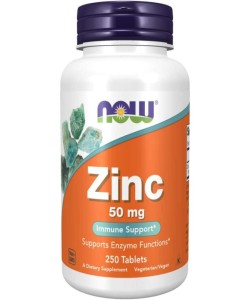
Understanding Immune Support With NOW Zinc 50mg
A calm, science-informed look at zinc’s role in immune health and how higher-dose supplementation fits into responsible routines.
Immune health often becomes a priority only after repeated illness, slower recovery, or reduced resilience begins to affect daily life. At that point, many adults reassess nutrition and lifestyle habits to identify potential gaps that may be limiting immune support.
This guide explores NOW Zinc 50mg immune support from an educational, evidence-informed perspective, focusing on how zinc functions in the body, who may consider supplementation, and how to approach higher doses responsibly.
Inside This Guide
- Why Zinc Matters for Immune Health
- How Zinc Works in the Body
- Scientific and Clinical Context
- Practical Guidance for Zinc Supplementation
- NOW Zinc 50mg Explained
- Pros and Limitations
- Frequently Asked Questions
- Final Perspective
Why Zinc Matters for Immune Health
Zinc is an essential trace mineral involved in hundreds of enzymatic reactions. Within the immune system, zinc supports immune cell development, cellular signaling, and the maintenance of physical barriers such as the skin and mucous membranes.
Because the body does not store large reserves of zinc, consistent intake is required. Even mild zinc insufficiency has been associated with reduced immune responsiveness, particularly among older adults and individuals with limited dietary variety.
How Zinc Works in the Body
Zinc contributes to immune readiness by supporting T-cell activity, antibody production, and antioxidant defense mechanisms. Rather than acting as a stimulant, zinc helps maintain the conditions required for normal immune responses.
Zinc absorption occurs primarily in the small intestine and is influenced by dietary phytates, competing minerals, and overall nutritional status. This makes dosage, timing, and total intake important considerations.
Scientific and Clinical Context
Major health organizations such as the National Institutes of Health, World Health Organization, and Mayo Clinic recognize zinc as an essential nutrient for normal immune function.
Peer-reviewed research indexed in medical literature databases consistently highlights zinc’s role in immune cell signaling, inflammatory balance, and nutritional adequacy across the lifespan.
Practical Guidance for Zinc Supplementation
Who May Consider Zinc Supplementation
- Adults with low dietary zinc intake
- Individuals following vegetarian or vegan diets
- Older adults with reduced nutrient absorption
- Those seeking seasonal immune nutrition support
In educational discussions of immune nutrition, higher-dose zinc supplements are often referenced for short-term or targeted use when dietary intake alone may be insufficient.
Who Should Use Caution
- Individuals already consuming zinc from multiple sources
- Those with known copper balance concerns
- Anyone advised otherwise by a healthcare professional
Dosage and Timing Considerations
The recommended dietary allowance for zinc is 8–11 mg per day for most adults. Higher-dose products are generally intended for limited-duration use.
Zinc is often better tolerated when taken with food and separated from high-dose iron or calcium supplements.
NOW Zinc 50mg Explained
NOW Zinc 50mg is a single-mineral supplement formulated for adults who require zinc intake beyond baseline dietary levels. The formulation prioritizes clarity and simplicity rather than complex blends.
When individuals look for clearly labeled high-strength zinc, NOW Zinc 50mg immune support tablets are often considered as part of a structured, time-limited supplementation strategy.
Pros and Limitations
Pros
- Supports normal immune system function
- Helps address dietary zinc gaps
- Extensively studied essential mineral
Limitations
- Excess intake may interfere with copper balance
- High doses may cause digestive discomfort
- Not intended for indefinite daily use
Frequently Asked Questions
Final Perspective
Zinc plays an essential role in immune nutrition, but effective support depends on balance, appropriate dosing, and alignment with overall dietary intake.
When choosing supplements from a trusted supplement retailer , prioritizing evidence, moderation, and clarity remains key.


Please complete your information below to login.
Sign In
Create New Account