


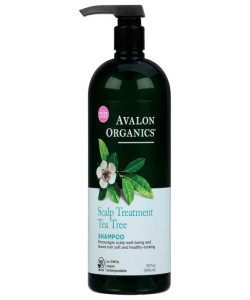
The Day I Discovered Tea Tree Oil Changed My Scalp Forever
I'll never forget the morning I caught myself scratching my head during a video call with my manager. The kind of absent-minded scratching that makes you look like you're deep in thought—except I wasn't thinking about quarterly projections. I was thinking about how my scalp felt like it was staging a full rebellion, complete with itchy protests and flaky declarations of independence.
My bathroom cabinet had become a graveyard of half-used bottles, each promising miracles but delivering disappointment. Then a friend mentioned she'd been using tea tree oil for scalp health, and something in her tone—that genuine "this actually worked" enthusiasm—made me curious enough to investigate.
The Itchy Truth About Scalp Health
Turns out, I wasn't alone in my scalp struggles. Millions of people deal with dandruff, itchiness, and that uncomfortable tightness that makes you want to stand under a cold shower all day. The culprit? Often it's a combination of factors: dry skin buildup, excess oil production, sensitivity to hair products, or an overgrowth of a yeast called Malassezia that lives on everyone's scalp but sometimes gets a little too comfortable.
What I didn't realize was that conventional solutions often treat symptoms without addressing the root cause—sometimes literally stripping away natural oils and creating a cycle where your scalp overcompensates by producing even more oil. It's like fighting fire with gasoline.
What Makes Tea Tree Oil Different for Scalp Care
Tea tree oil, extracted from the leaves of Melaleuca alternifolia, a plant native to Australia, has been used for centuries by Indigenous Australians for its healing properties. What caught my attention—and what science has confirmed—is its unique antimicrobial profile.
According to research published by the National Institutes of Health, tea tree oil demonstrates significant antifungal activity against the very organisms responsible for dandruff. In a clinical study, participants using 5% tea tree oil shampoo experienced a 41% improvement in dandruff symptoms compared to just 11% in the placebo group—and they reported reduced itchiness and greasiness without adverse effects.
The mechanism is fascinating: tea tree oil's active compound, terpinen-4-ol, disrupts the cell membranes of fungi and bacteria, essentially making it impossible for them to thrive on your scalp. But unlike harsh chemical treatments, it does this gently, without stripping your scalp's natural protective barrier.
The Science-Backed Benefits of Tea Tree Oil for Your Scalp
When I dug into the research, I found tea tree oil benefits for scalp health extend far beyond just fighting dandruff. Here's what the science actually shows:
Antimicrobial Action: Research from NIH studies confirms tea tree oil exhibits broad-spectrum antimicrobial properties, effectively addressing the fungi and bacteria that contribute to scalp conditions.
Reduces Inflammation: The anti-inflammatory compounds in tea tree oil help calm irritated, red, angry scalps. This is crucial because chronic inflammation can actually damage hair follicles over time.
Balances Oil Production: By maintaining a healthy scalp environment and keeping follicles clear of debris, tea tree oil helps regulate sebum production. Your scalp stops overcompensating, and that greasy-by-noon problem often resolves itself.
Supports Follicle Health: While tea tree oil isn't a hair growth miracle, Mayo Clinic experts note that maintaining scalp health is fundamental to supporting healthy hair growth. A clean, unclogged follicle is one that can actually do its job.
Gentle Yet Effective: Unlike medicated treatments that can be harsh, WebMD reports that tea tree oil formulations are generally well-tolerated, making them suitable for regular use and sensitive scalps.
My Personal Discovery Journey
The shift didn't happen overnight—real wellness rarely does. I started incorporating tea tree oil into my routine about three times a week, gently massaging it into my scalp and leaving it for a few minutes before rinsing. The first thing I noticed was the cooling, tingly sensation. It felt like my scalp could finally breathe.
Within two weeks, the constant itching had diminished significantly. By week four, those embarrassing white flakes on my dark shirts had become a distant memory. But the most surprising change? My hair felt lighter, cleaner—like I'd removed a layer of buildup I didn't even know was there.
I also learned that tea tree oil works best when paired with complementary botanicals. Many formulations include aloe vera for hydration, peppermint for additional circulation support, and eucalyptus for that refreshing aromatherapy boost. Together, these ingredients create a synergy that addresses multiple aspects of scalp health simultaneously.
Who Benefits Most from Tea Tree Oil Scalp Care
Through my research and conversations with others, I discovered that tea tree oil for scalp treatment particularly helps people who experience:
Persistent dandruff that doesn't respond well to regular shampoos
Seborrheic dermatitis—a chronic inflammatory condition causing redness and flaking
Product buildup from styling products, dry shampoos, or heavy conditioners
Occasional scalp sensitivity or irritation from environmental factors
Oily scalp conditions where hair feels greasy quickly after washing
It's also worth noting that tea tree oil is suitable for all hair types and textures. Whether you have fine, thick, curly, or straight hair, your scalp benefits from the same fundamental health principles: cleanliness, balance, and proper circulation.
The Holistic Approach That Actually Works
What I've learned is that scalp health isn't just about what you put on your head—it's part of a larger wellness picture. Stress, diet, hydration, and sleep all impact your scalp's condition. But having a gentle, effective topical solution like tea tree oil creates a foundation that allows those other lifestyle factors to work more effectively.
I also discovered the importance of consistency. Your scalp responds best to regular, gentle care rather than aggressive treatments followed by neglect. Think of it like maintaining a garden—steady attention yields better results than sporadic intervention.
The botanical approach resonates with me because it feels less like warfare against my body and more like supporting what it's already trying to do: maintain balance. Tea tree oil doesn't strip everything away; it selectively targets what doesn't belong while leaving beneficial oils and the skin's natural defenses intact.
A Gentle Reminder About Scalp Wellness
Here's what that scratchy, uncomfortable scalp taught me: our bodies are constantly sending us messages. Sometimes those messages arrive as itchiness, flakes, or discomfort. Rather than just masking symptoms, we can choose solutions that address root causes while respecting our body's natural processes.
Tea tree oil, with its centuries of traditional use now backed by modern research, represents that middle path—potent enough to make a real difference, gentle enough to use regularly without worry. It's not about perfection or instant transformation. It's about sustainable, long-term scalp health that supports confident, comfortable living.
My bathroom cabinet looks different now. Instead of a collection of abandoned experiments, there's a simple routine that actually works. And those video calls? I'm finally focused on the actual work—not wondering if anyone notices me scratching my head.
Small shifts in how we care for ourselves compound over time. Sometimes the most powerful changes come not from complex solutions, but from rediscovering what nature has been offering all along—if we're willing to listen, learn, and give it a try.
Frequently Asked Questions About Tea Tree Oil for Scalp Health
Can tea tree oil help with dandruff?
Yes! Clinical studies show that tea tree oil shampoo with 5% concentration can reduce dandruff symptoms by up to 41% by targeting the fungal organisms that contribute to flaking and itchiness.
Is tea tree oil safe for all hair types?
Tea tree oil is generally suitable for all hair types and textures. However, it should always be diluted properly in a carrier oil or shampoo formulation. Never apply pure tea tree oil directly to your scalp.
How often should I use tea tree oil on my scalp?
Most people benefit from using tea tree oil treatments 2-3 times per week. Consistency is more important than frequency—regular, gentle use yields better results than occasional intensive treatments.
Can tea tree oil promote hair growth?
While tea tree oil isn't a direct hair growth stimulant, it supports follicle health by keeping the scalp clean and unclogged. A healthy scalp environment is essential for optimal hair growth.
Does tea tree oil have any side effects?
When properly diluted, tea tree oil is well-tolerated by most people. Some individuals may experience mild irritation or allergic reactions. Always do a patch test before full application, and discontinue use if irritation occurs.
How long before I see results from tea tree oil scalp treatment?
Many people notice reduced itchiness within the first week. Visible improvements in dandruff and scalp condition typically appear within 2-4 weeks of consistent use.




Please complete your information below to login.
Sign In
Create New Account