


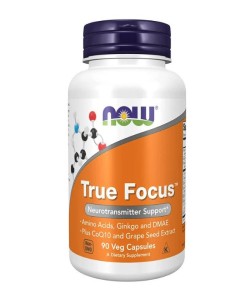
NEUROTRANSMITTER SUPPORT FOR FOCUS
A friendly, story-first guide to clearing mental fog with amino acids (like L-tyrosine and L-phenylalanine), botanicals such as ginkgo, and choline donors like DMAE—plus the simple lifestyle levers that make them work better.
The Morning My Brain Felt Like a Browser with 47 Tabs Open
It wasn’t a dramatic burnout—more like a slow leak. I’d sit down to work, open my laptop, and suddenly every tiny task felt like climbing a hill with sand in my shoes. Words hid behind fog; emails lingered half-written. By noon, I was on my third coffee, and by afternoon, I was negotiating with myself to do “just one more thing.” If you’ve been there, you know the feeling: your brain is online, but the Wi-Fi bars are weak.
That was the day I started paying attention to neurotransmitter support for focus—not as a magic bullet, but as a way to help my brain have the raw materials and circulation it needs to think clearly.
Why Focus Slips: The Everyday Culprits
Modern life chips away at mental clarity: poor sleep, scattered eating, constant notifications, and chronic stress. Your brain burns through nutrients to make chemical messengers such as dopamine, norepinephrine, and acetylcholine. When supplies are low—or when circulation and stress get in the way—focus, motivation, and working memory can feel off. The goal isn’t perfection; it’s giving the brain a better environment and the building blocks to do its job.
How Neurotransmitter Support Works (Simple Science)
Your brain relies on amino acids, vitamins, minerals, and healthy blood flow to create and use its messenger molecules:
- Dopamine & Norepinephrine: Often called the “drive and focus” messengers, built from the amino acids L-tyrosine and L-phenylalanine. When life is stressful, your body uses these rapidly—especially during extended mental or physical effort.
- Acetylcholine: A key player in attention and memory. Compounds such as DMAE (a choline donor) can support the pool of materials that help produce it.
- Circulation: Botanical allies like ginkgo are commonly used to support healthy blood flow, helping oxygen and nutrients reach hard-working neurons.
Together, amino acids + choline donors + circulation support form a simple framework: provide ingredients for messenger synthesis, keep delivery routes open, and reduce the drag from stress and sleep debt.
My “Oh—That’s What My Brain Needed” Moment
I didn’t overhaul everything in a week. I started with morning sunlight, a 20-minute walk, and a real breakfast with protein. On tougher days—big deadlines or travel—I experimented with a neurotransmitter support stack centered on amino acids for dopamine precursors, a small amount of DMAE, and ginkgo before deep work. The result wasn’t fireworks; it was steadiness. Words lined up. Tasks felt doable. The brain “static” quieted long enough to finish things I cared about.
Note: everyone’s different. If you have a medical condition, take medications, or are pregnant/nursing, consult a qualified clinician before trying any new supplement routine.
Benefits People Often Seek from a Neurotransmitter-Support Approach
Clearer Focus
Supplying dopamine/norepinephrine precursors (L-tyrosine/L-phenylalanine) may support sustained concentration during demanding tasks.
Motivation & Drive
Balanced catecholamine support can reduce the “start-up friction” that makes projects stall.
Attention & Memory
Choline donors like DMAE are commonly used to support acetylcholine, which underpins working memory and attention.
Circulation to Think Better
Ginkgo is traditionally used to support healthy blood flow, aiding oxygen and nutrient delivery to active brain regions.
Stress Buffering
During high stress, the brain burns through amino acids quickly; targeted support may help maintain performance.
Flexible Routine
Pairs well with sleep hygiene, movement, hydration, and protein-forward meals for a whole-day clarity effect.
A Simple, Sensible Routine to Try
- Start with foundations: 7–9 hours of sleep, morning light, daily walk, and a protein-rich breakfast.
- Time your focus window: Reserve your sharpest hours (often 1–3 hours after waking) for deep work.
- Consider a neurotransmitter-support stack: Many people use amino acids (L-tyrosine/L-phenylalanine), a small dose of DMAE, and ginkgo prior to cognitively demanding work. Follow label directions and professional guidance.
- Hydrate & pause: Water + short movement breaks help maintain blood flow and attention across long sessions.
- Reflect weekly: Journal “What helped focus? What didn’t?”—then keep the habits that move the needle.
This article is educational and not medical advice.
Good-to-Know Considerations
- If you take medications (especially MAO inhibitors, blood thinners, or stimulants) or have a medical condition, discuss amino acids, DMAE, and ginkgo with your clinician.
- Amino acids that affect catecholamines may be stimulating for some—avoid close to bedtime.
- Introduce one change at a time to understand what’s helping.
Frequently Asked Questions
What makes amino acids like L-tyrosine and L-phenylalanine relevant for focus?
Where does DMAE fit in?
Why do people include ginkgo?
How long until I notice anything?
Can I just drink more coffee instead of NEUROTRANSMITTER SUPPORT FOR FOCUS ?
A Gentle Closing Thought
Clarity doesn’t require a perfect routine—just a kind one. A little more sleep, sunlight, protein, and the right building blocks can turn “push through” days into “I’ve got this” days. Small steps compound; your brain notices.
Educational content only. Not a substitute for medical advice.








Please complete your information below to login.
Sign In
Create New Account