


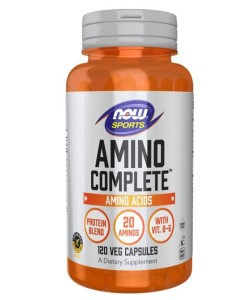
AMINO ACID COMPLETE: 20 AMINOS FOR REAL-WORLD TRAINING
A friendly, story-first guide to how complete amino blends—covering essential and branched-chain amino acids—can fit into recovery, busy-day nutrition, and focused training plans.
The Morning I Packed a Gym Bag… and Forgot Real Food
You know those days when the workout is planned but the meals aren’t? That was me—headphones charged, shoes ready, and then I realized my schedule left exactly twelve minutes for lunch. On days like that, I lean on simple strategies: a quick protein source, water, a walk after I eat. That’s when I started paying attention to amino acid complete blends—especially for travel days, fasted morning sessions, or when appetite is off.
Amino blends aren’t a magic wand. They’re closer to a toolkit—fast, light, and easy to keep in a pocket when whole-food protein isn’t available. Used well, they can help your training week feel smoother.
Why Consistency Falters: The Recovery Gap
Training isn’t just what happens in the gym; it’s what you do every hour around it. Inconsistent protein intake, long gaps between meals, and hectic schedules can leave a “recovery gap” where your muscles aren’t getting enough amino acids to repair and rebuild. Over time, that gap shows up as stalled progress, lingering soreness, or workouts that feel harder than they should.
How Amino Acid Complete Blends Work (Simple Science)
Protein is made of amino acids. Essential amino acids (EAAs)—including the branched-chain amino acids (BCAAs) leucine, isoleucine, and valine—are the ones your body can’t make; you have to eat them. Muscle repair depends on getting enough EAAs across the day. A complete blend provides a broad spectrum of aminos that can be absorbed quickly, which some people find useful:
- Between meals: Light, low-calorie support when a full shake or meal isn’t convenient.
- Fasted training: A way to get key amino acids without a heavy stomach.
- Cutting phases: Helps you keep protein building blocks handy when calories are lower.
Note: If your daily protein is already solid, aminos may be less impactful than simply eating enough total protein.
EAAs vs. BCAAs vs. Whole Protein
- Whole protein (e.g., whey, eggs, meat, soy): Generally the best value for muscle and overall nutrition.
- EAAs: More complete than BCAAs alone; useful when you need low-calorie amino support.
- BCAAs: Centered on leucine/isoleucine/valine; often considered niche (fasted or very long sessions).
Think of aminos as a convenience tool—helpful in certain contexts, not a replacement for a balanced diet.
My “Why This Actually Helped” Moment
The difference for me showed up on stacked days—morning lifting, back-to-back meetings, then a short run. A small dose of a complete amino acid blend between sessions felt easier on my stomach than a full shake and kept the afternoon crash at bay. The bigger change, though, came from organizing my day: protein at breakfast, a real lunch most days, and a walk after meals. Aminos didn’t replace food; they filled the cracks.
What People Often Seek from a 20-Amino Complete Blend
Convenience
Capsules are portable for travel, work, and fast transitions between sessions.
Low-Calorie Support
Helps bridge protein gaps during cuts or when appetite is low.
Fasted or Early Training
Light on the stomach before cardio or lifting when you don’t want a full meal.
Recovery Rhythm
Keeping amino availability steady can support repair between meals.
Stack-Friendly
Pairs with creatine, carbohydrate timing, and sleep hygiene for better outcomes.
Flexible Timing
Before, between, or after sessions—choose what fits your day.
How to Use (and When to Skip)
- Nail the basics first: Aim for ~1.6–2.2 g/kg/day of protein across real meals if you train hard.
- Place aminos strategically: Try during fasted mornings, long sessions, or long gaps between meals.
- Hydration + carbs: For long or intense training, add water and carbs to support performance.
- Budget check: If money is tight, whole protein (food or a whey/plant shake) usually gives more value.
- Medical note: If you have kidney, liver, or metabolic conditions—or take meds—talk to a clinician before using amino supplements.
Educational content only. Not a substitute for medical advice.
Frequently Asked Questions
Are EAAs better than BCAAs?
Capsules or powder?
If I already hit my protein target, do I need aminos?
Can I take them on rest days?
A Gentle Closing Thought
Progress rarely hinges on one product. It’s your everyday rhythm—sleep, meals, movement—that carries you. Use tools that remove friction, keep showing up, and let small habits compound into strength you can feel.
For education only. Consult a qualified professional for personalized guidance.









Please complete your information below to login.
Sign In
Create New Account