


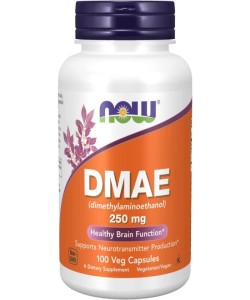
DMAE (Dimethylaminoethanol) for Brain Clarity & Focus
A friendly, story-first explainer on how DMAE relates to acetylcholine pathways, why some people explore it for attention and mental clarity, and how foundations like sleep, protein, and sunlight make everything work better.
The Day My Brain Felt Like a Browser with 47 Tabs Open
It started on a Monday that looked normal on paper—coffee, calendar, a to-do list that was ambitious but not outrageous. Yet by 10 a.m., I’d reread the same paragraph three times and still couldn’t tell you what it said. You know that foggy feeling when your attention slips through your fingers? That afternoon I promised to treat clarity like a skill: part lifestyle, part nutrients, and a lot of kindness.
That’s when I first read about DMAE (dimethylaminoethanol), a compound often discussed in the context of choline metabolism and acetylcholine—the neurotransmitter that underpins attention, memory, and “staying with the task.” I wasn’t chasing miracles; I wanted a clearer framework for supporting focus.
Why Focus Slips: The Modern Mash-Up
Sleep debt, constant notifications, stress hormones, and scattered meals can drain the systems that power attention. Your brain needs raw materials (amino acids, choline, micronutrients), plus healthy blood flow and a calm-enough nervous system to use them. When the basics wobble, even simple tasks feel uphill. Instead of trying to “power through,” it helps to build conditions where focus is more likely to show up.
How DMAE Fits the Picture (Simple Science)
DMAE is discussed as a choline donor—a compound that may contribute to the pool of materials used to make acetylcholine, a neurotransmitter central to attention and working memory. While research on DMAE is mixed and still developing, many people explore it as part of a broader “focus stack” that emphasizes:
- Acetylcholine support: choline donors (e.g., DMAE) and choline-rich foods (eggs, liver, soy, some fish).
- Catecholamine support: adequate protein for amino acids (like tyrosine) used to build dopamine/norepinephrine—messengers tied to motivation and drive.
- Circulation: movement and hydration for oxygen and nutrient delivery.
- Nervous system balance: stress reduction and sleep to use these resources efficiently.
Note: Responses vary. This article is educational and not medical advice.
Foundations That Make a Bigger Difference
- Sleep: Aim for 7–9 hours with a consistent schedule; morning light helps anchor your clock.
- Protein-forward meals: Include eggs, fish, poultry, dairy/soy, or legumes for amino acids and choline.
- Move daily: A 20–30 minute walk plus 2–3 strength sessions weekly supports circulation and mood.
- Focus windows: Do deep work in your sharpest time (often 1–3 hours after waking); keep your phone in another room.
- Track lightly: A simple journal—“what helped clarity today?”—keeps you honest and curious.
The Small Shift That Changed the Week
I started adding an early walk with sunlight, a real breakfast with eggs and fruit, and planned a 90-minute focus block before opening email. On days with heavy mental loads, I explored acetylcholine-support strategies alongside those foundations. The effect wasn’t fireworks—more like turning down static so ideas could line up. The real win was consistency: making clarity likely, not forced.
What People Often Seek from a DMAE-Centered Approach
Attention & Working Memory
Acetylcholine is tied to “hold this in mind” tasks; choline donors are explored to support that pathway.
Cleaner Focus vs. Jitters
Some prefer nutrient-based approaches with less stimulation than high caffeine (individual results vary).
Routine Synergy
Pairs with protein, movement, sunlight, and breaks for a steadier day.
Task Initiation
With the basics in place, starting and sustaining tasks may feel more natural.
Mood Support
Better sleep and stress rhythms often lift motivation and resilience indirectly.
Flexible Timing
People often use acetylcholine support earlier in the day, away from bedtime.
Practical Tips & Safety Notes
- Start low, go slow: Introduce one variable at a time and give it 1–2 weeks before judging.
- Mind the evening: Acetylcholine-support strategies can be alerting; many avoid them close to bedtime.
- Medication check: If you take prescription meds, have conditions, are pregnant/nursing, or planning surgery, consult a qualified clinician before changes.
- Skin/Topical DMAE: Also exists in cosmetics; this article focuses on the cognitive context often discussed by adults.
Educational content only. Not a substitute for professional medical advice.
Frequently Asked Questions
Is DMAE the same as choline?
How long until any effect is noticeable?
Can I just drink more coffee?
Any side effects to watch for?
A Gentle Closing Thought
Clarity isn’t a single switch—it’s a rhythm. When sleep, sunlight, protein, movement, and calm stack up, the mind often meets you halfway. Small, steady changes can turn “push through” days into “I’ve got this” days.
For education only. Talk with a qualified professional about your situation.










Please complete your information below to login.
Sign In
Create New Account