


You're standing in front of a supplement shelf, or maybe scrolling a product page late at night, and two bottles keep showing up together: vitamin C and quercetin. One promise sounds familiar, immune support, the other sounds a little more niche, and the bundle claim makes the pair seem smarter than buying either one alone. If you've wondered whether that synergy is real or just good marketing, this guide keeps the answer grounded in what human research shows.
Table of Contents
- Why Vitamin C and Quercetin Keep Showing Up Together
- What Vitamin C and Quercetin Actually Are
- How Vitamin C and Quercetin Work in the Body
- What the Human Evidence Actually Shows
- Practical Dosing and Food Versus Supplement Intake
- Who Might Consider This Combination and Who Should Hold Off
- Safety, Interactions, and Buying Tips That Actually Matter
- Putting It All Together Without Overcomplicating It
Why Vitamin C and Quercetin Keep Showing Up Together
A lot of people meet this pairing the same way. They're comparing two labels, one says vitamin C, the other says quercetin, and then a third bottle bundles them together as if the answer is obvious. That moment creates the central question, not whether each ingredient has a reputation, but whether the combination earns its place in your routine.
The pairing sticks around because it has a plausible biochemical story and strong immune-support branding. A 2019 to 2020 experimental review in Frontiers in Immunology described vitamin C and quercetin as a synergistic pair, with ascorbate helping recycle quercetin and quercetin acting at multiple stages of viral infection, including entry, replication, and assembly. That is a convincing mechanistic idea, but it's not the same thing as definitive proof that every consumer will feel a dramatic difference. For shoppers comparing herbal supplement bundles Herbswell, that distinction matters more than glossy packaging.
The practical questions are simpler than the marketing suggests. What does each compound do? Does the combo do more than either one alone? Which outcomes are supported in human studies, and which ones remain hopeful theories? And if you're already taking medications or managing a chronic issue, do you need a clinician's input before you add another supplement?
Practical rule: strong mechanistic logic can justify trying a combo, but it doesn't prove the combo works the same way for everyone.
People usually don't need more hype. They need a clear map. The rest of this guide separates the story that makes scientific sense from the outcomes that have been measured, so you can decide whether this is a sensible addition or just another bottle taking up space.
What Vitamin C and Quercetin Actually Are

Vitamin C in plain language
Vitamin C is a water-soluble essential nutrient, which means your body needs it but can't make it on its own. That's why food and supplements matter. It's involved in connective tissue, skin, immune cells, and antioxidant recycling, so it shows up in conversations about collagen, resilience, and everyday defense.
If you want a simple picture, think of vitamin C as a maintenance nutrient. It doesn't just sit in one place doing one job. It helps keep several systems supplied, which is why low intake can affect more than one part of the body at once.
The most common supplement forms are ascorbic acid and mineral ascorbates. Labels usually make that clear, and the form can matter if you're sensitive to acidity or prefer a gentler option.
Quercetin in plain language
Quercetin is a plant flavonoid, not a vitamin. You find it in onions, apples, capers, berries, and tea. In everyday terms, it's one of the compounds plants use in their own protective chemistry, which is a handy way to think about why researchers study it for bioactive effects in humans.
Because it isn't essential, quercetin doesn't belong in the same nutritional category as vitamin C. That doesn't make it less interesting. It means its role is more about potential support than preventing a deficiency state.
People shopping for quercetin usually see forms such as quercetin dihydrate or phytosome versions. The label matters because form affects how the product is positioned and how much of the ingredient you're getting per serving. If you're browsing a product page like this quercetin option, that's the kind of detail worth checking before you compare brands.
The useful takeaway is straightforward. Vitamin C is an essential nutrient with broad physiological roles, while quercetin is a plant compound studied for its signaling and antioxidant behavior. They overlap in conversations about immune support, but they're not interchangeable.
How Vitamin C and Quercetin Work in the Body

The recycling idea behind the pairing
The synergy story starts with chemistry. In the 2019 to 2020 review cited earlier, vitamin C can donate electrons that help recycle quercetin after quercetin has done antioxidant work. In plain English, quercetin can act, then vitamin C helps restore it so it can keep acting. That's why people like the pairing, it gives the combo a built-in renewal loop.
A useful analogy is a firefighter and a water truck. Quercetin is the firefighter putting out trouble where it appears, and vitamin C is the water truck that keeps refilling the hose. The image is imperfect, but it captures the basic idea that one compound may help the other keep going.
That said, the existence of a recycling mechanism doesn't automatically prove a noticeable human benefit. A mechanism explains why researchers pay attention. It doesn't tell you whether the payoff is meaningful in daily life, or for which people.
Why the immune story keeps getting attention
Quercetin is often discussed for its effects on mast cells and histamine release, while vitamin C gets attention for immune-cell support and barrier integrity. Those are biologically plausible reasons the pair shows up in seasonal wellness products and recovery formulas.
The challenge is that plausibility can outrun proof. A human study found quercetin bioavailability varied with vitamin C status and was linked to inadequate plasma vitamin C and greater intestinal permeability, which is interesting, but it still doesn't prove that adding vitamin C reliably boosts results for healthy consumers. That's the gap many shoppers miss when they see a bundle marketed as an all-purpose answer.
The question isn't whether the chemistry is clever. The question is whether the chemistry changes outcomes you can actually feel.
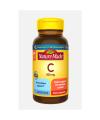
One example of a combined product is Nature Made Super C With Vitamin D3 Zinc 60 Tablets, which pairs vitamin C with other immune-focused nutrients in a tablet format. That kind of formula shows how brands build around the broader immune-support theme, even when the human evidence for every specific pairing remains incomplete.
What the Human Evidence Actually Shows
The strongest human data on the combo is encouraging, but it's still smaller and narrower than the marketing language suggests. In a controlled human study summarized in 2020, the combination of quercetin and vitamin C produced measurable inflammatory-marker changes after supplementation. C-reactive protein fell 49%, from 1.37 to 0.70 mg/L, and IL-6 fell 62%, from 42.09 to 16.0 pg/mL. The placebo group moved the other way on IL-6, with a 47% increase from 50.5 to 74.13 pg/mL. The same report also noted a 4.7% decrease in F2-isoprostanes, from 73.15 to 69.75 pg/mL, while placebo showed no meaningful change. For readers looking for cold-season context, a separate overview of vitamin C and colds is also discussed at VirusFAQ.com cold research.
Where the evidence gets mixed
Those numbers are real, but they don't mean the combo is universally effective. A separate 12-week randomized trial of quercetin at 1000 mg/day did not significantly reduce upper respiratory tract infection outcomes for all participants. In a fitter subgroup aged 40+, though, URTI severity was reduced by 36% and total sick days by 31%. That's a classic example of why you shouldn't turn one result into a blanket promise.
The pattern matters more than the headline. The combination can move inflammatory and oxidative markers in a favorable direction, but broad symptom outcomes are less consistent. That's common in nutrition research, where biomarker shifts show up before large, repeatable clinical wins do.
How to read the findings honestly
The smartest reading is cautious, not cynical. The combination appears promising for inflammation and oxidative stress, and quercetin by itself has some context-dependent findings that may matter more for certain subgroups than for everyone. What hasn't happened yet is the kind of large, confirmatory evidence that would let anyone promise a reliable outcome for the average healthy shopper.
Bottom line: the human evidence supports interest, not certainty.
That's why the strongest claims should stay modest. If a product page talks like the result is guaranteed, the research doesn't back that tone. If it says the combo is worth exploring because the biology is plausible and some human markers improved, that's much closer to the actual evidence.
Practical Dosing and Food Versus Supplement Intake
Quercetin intake from food is usually much lower than the doses used in supplements. A 2023 NIH review reported average daily quercetin intake of 9.75 mg in the USA, 18.48 mg in Spain, 16.2 mg in Japan, and 18 mg in China, while overall dietary intake across countries is often cited at roughly 4.37 to 18.48 mg/day. The same review noted that intake can vary widely with fruit and vegetable consumption, from about 5 to 100 mg/day https://pmc.ncbi.nlm.nih.gov/articles/PMC7318306/. That gap is one reason people reach for supplements when they want materially higher exposure than food usually provides.
A simple way to think about dose
For vitamin C, research commonly uses supplemental amounts above normal dietary intake, while everyday nutrition only needs enough to avoid deficiency. The adult upper tolerable intake level is 2000 mg, which matters because going well beyond that can raise gastrointestinal discomfort and kidney-stone concerns. For quercetin, published supplement studies often use much higher amounts than food delivers, so the label dose is usually the meaningful number, not the amount you'd get from apples or onions alone.
Here's a compact comparison to keep the numbers straight.
| Compound | Dietary Intake | Studied Supplemental Range | Common Label Dose |
|---|---|---|---|
| Quercetin | 4.37 to 18.48 mg/day across countries, with variation up to about 100 mg/day from fruit-and-vegetable-rich diets | Often much higher than diet in human studies | Commonly higher than dietary intake by design |
| Vitamin C | Enough from diet to meet basic needs, with the U.S. RDA commonly used as a floor in practice | Often above dietary intake in research settings | Frequently found in mid-range supplemental doses |
Buying with the dose in mind
If you want a flexible vitamin C format, an unflavored powder makes it easier to control your dose. A product like Swanson Vitamin C Powder Immune System Support Supplement 16 oz fits that use case because powder lets you adjust serving size more precisely than a fixed tablet. For some shoppers, that matters more than an all-in-one formula.
You can also use a broader shopping guide for absorption decisions. Choose absorbable supplements is a useful reminder that form, not just ingredient name, changes how practical a product feels in daily life.
Who Might Consider This Combination and Who Should Hold Off
Healthy adults often explore vitamin C and quercetin when they want a simple antioxidant routine or a seasonal wellness habit. Older adults sometimes look at it through the lens of inflammatory balance, and active people may be curious about recovery and oxidative stress. Those are reasonable use cases, but they're still use cases, not guarantees.
Good candidates for a cautious trial
If you're generally well, not on prescription drugs, and you want a conservative supplement experiment, this combo is straightforward enough to discuss with a pharmacist or clinician. People who prefer plant-based nutrient strategies also tend to be drawn to quercetin because it comes from familiar foods like onions and apples, not just isolated chemistry.
A quick checklist helps keep expectations realistic:
- Healthy adults seeking general antioxidant support: a common audience for modest, short-term trials.
- Seasonal wellness users: people who want a supplement routine, not a dramatic fix.
- Curious plant-based shoppers: readers who like the idea of a food-derived flavonoid paired with vitamin C.
Who should slow down first
If you take blood thinners, certain chemotherapy drugs, or immunosuppressants, get clinical input before using quercetin or high-dose vitamin C. People with a history of kidney stones, iron-overload disorders, or chronic conditions should also ask first, because even mild supplements can matter when your baseline risk is already high. Pregnant or breastfeeding women should talk with a clinician before starting anything new.
A five-minute medication check is cheaper than guessing wrong.
That advice applies even when a supplement seems ordinary. If you're already managing prescriptions, upcoming surgery, or a chronic diagnosis, the safest move is to review the exact product and dose with a pharmacist or physician before you buy.

Safety, Interactions, and Buying Tips That Actually Matter
The main safety question with quercetin is interaction risk. Quercetin may inhibit certain cytochrome P450 enzymes and P-glycoprotein transport, which is why people on prescription drugs should not assume it's automatically neutral. Vitamin C has its own caution zone, especially for people with iron overload, since it can increase iron absorption. And the vitamin C upper tolerable intake level for adults is 2000 mg, which is the useful ceiling to keep in mind if you're thinking about megadosing.
What to check before you start
If you're on blood-pressure medication, preparing for surgery, or using any drug with a narrow therapeutic window, ask a clinician whether the combination is appropriate. The same caution applies if you have a kidney-stone history, because more vitamin C isn't always better. High-dose combinations are a poor fit when someone wants to self-experiment without checking the rest of the medication list first.
A practical buying checklist helps narrow the field:
- Third-party testing: look for brands that disclose quality testing or certification.
- Form clarity: check whether the quercetin is standard, dihydrate, or phytosome.
- Delivery format: capsules are fixed, powders let you adjust more easily.
- Source transparency: favor labels that state ingredient sources and batch testing.
A few product-format examples
If you want a standardized quercetin format, Life Extension Fast-C Bio Quercetin Phytosome 60 Veggie Tablets shows how brands position phytosome forms for absorption-focused shoppers. If you're building a broader micronutrient routine, some people also look at formulas like Life Extension Vitamins D and K Sea-Iodine alongside other essentials, but that belongs in a separate nutrition plan, not as a casual add-on.

Buying well is less about chasing the most aggressive label and more about matching the form to your actual need. A powder, capsule, or phytosome isn't better, it just fits different tolerances, different routines, and different risk profiles.
Putting It All Together Without Overcomplicating It
Vitamin C and quercetin have a real mechanistic story, and that story helps explain why the pair keeps appearing in immune and antioxidant formulas. The human evidence is encouraging, especially for inflammatory markers, but it isn't definitive enough to support blanket promises. The safest approach is conservative dosing, clean labeling, and a clinician check when medications or medical conditions are part of the picture.
A simple decision rule works well. Start low, choose a verified source, make sure both ingredients fit your health situation, and give the routine time before you decide whether it's useful. If the product only sounds good because the marketing is louder than the data, skip it.
For shoppers who want a more organized way to compare supplements, Supplemynts Inc offers a structured online catalog of vitamins, minerals, herbs, powders, and purpose-based blends, which makes it easier to compare formats and ingredient profiles in one place. If you want to browse options that fit your routine, visit Supplemynts Inc and look for the product details that match your goals, not just the biggest claims.




Please complete your information below to login.
Sign In
Create New Account