


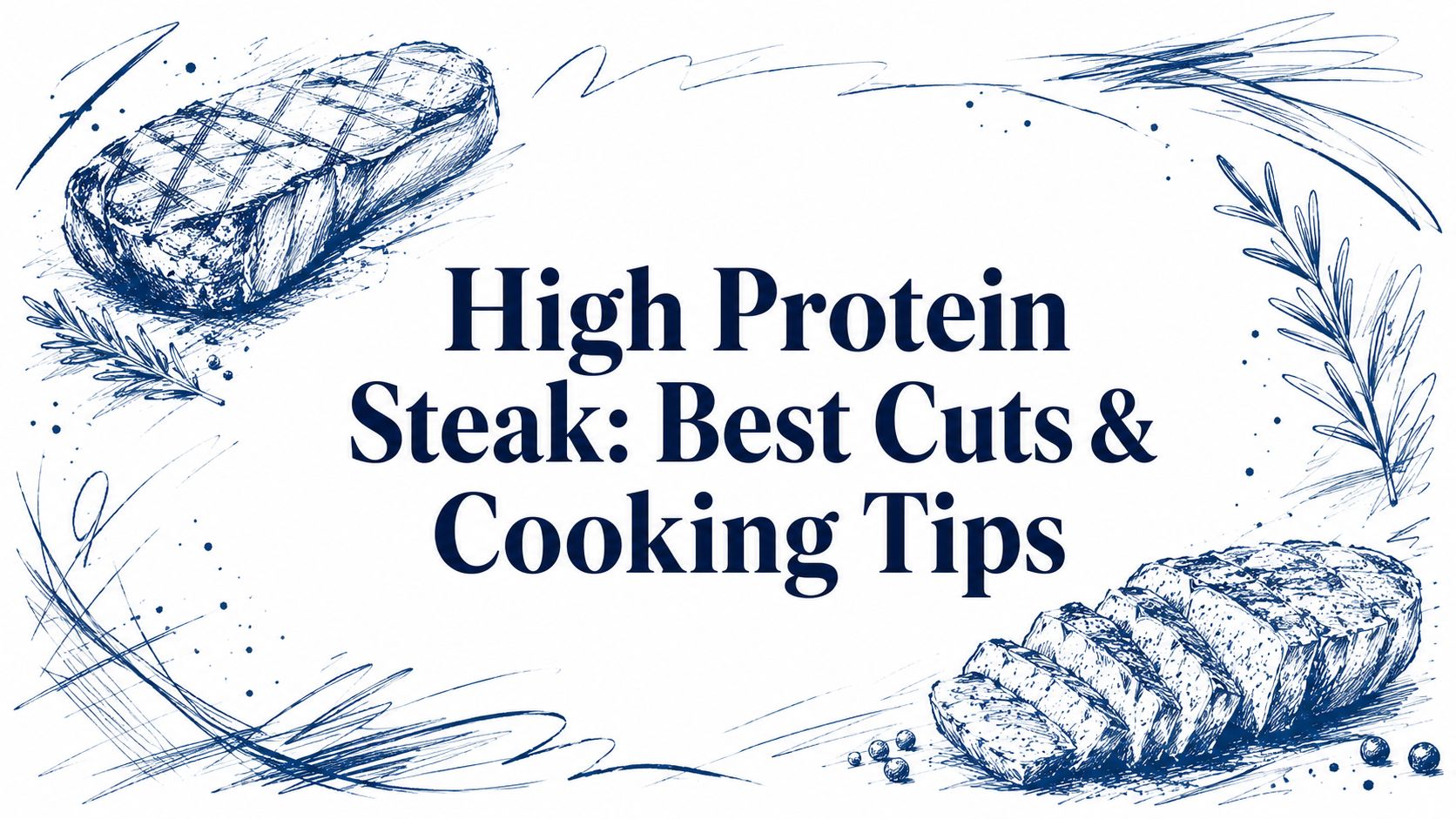
A lean steak can do more for a protein-focused diet than is commonly understood. Eye of Round delivers about 28 grams of protein for 170 calories according to Beef. It's What's For Dinner, which changes the conversation from “is steak high in protein?” to “which steak gives me the most protein for the calories I'm spending?”
That distinction matters. Plenty of guides stop at naming popular cuts. The practical question is different: which cuts give you the best protein efficiency, and how do you cook them so you don't turn a good cut into a dry, disappointing one? High protein steak works best when you match the cut, portion, and cooking method to your actual goal, whether that's fat loss, muscle retention, or simple meal prep that doesn't get old after two days.
If you want more ways to create flavourful protein dishes, it helps to think beyond plain grilled meat and build meals that are easy to repeat. Some people also like to rotate in nutrient-dense animal foods such as NOW Argentine Beef Liver Powder 12 oz non-defatted super food alongside steak-based meals, depending on their broader diet.
Table of Contents
- Why Steak Remains a Protein Powerhouse
- The Top High-Protein Steak Cuts Ranked
- Lean Versus Marbled Steak A Protein Comparison
- Portion Sizing Steak for Your Fitness Goals
- How to Cook Steak to Preserve Maximum Protein
- Building the Ultimate High-Protein Steak Meal
- Frequently Asked Questions About High-Protein Steak
- Does grass-fed steak have more protein than grain-fed steak
- What are the best budget-friendly steak cuts for high protein goals
- Does overcooking steak reduce its protein quality
- Is rare steak better for protein retention than well-done steak
- How long does cooked steak keep for meal prep
- Should you use steak protein every day or rotate other proteins
Why Steak Remains a Protein Powerhouse
A cooked 3.5-ounce serving of lean beef steak supplies about 25 to 31 grams of protein, which puts a meaningful amount of complete protein into a relatively small portion, as summarized in Athlean-X's USDA-based steak protein breakdown.
That matters for protein efficiency. If the goal is to hit a daily protein target without spending too many calories on one meal, steak works because it combines high protein density with all 9 essential amino acids needed for muscle repair and maintenance. For active adults, that makes steak more than a satisfying dinner choice. It is one of the cleaner ways to anchor a high-protein meal plan.
Protein quality is only part of the story. The more useful question is how much protein you keep on the plate per calorie and per cooked serving. Leaner steaks usually perform better here because extra marbling raises calories faster than it raises protein. A richer cut can still fit, but it is less efficient if you are cutting, trying to stay full on fewer calories, or trying to spread protein across three to five meals.
Cooking also changes the result. Steak protein itself remains highly valuable after cooking, but poor technique can reduce practical protein retention by shrinking the meat aggressively, drying it out, and leading to larger fluid losses. In real meal prep, that means very hard heat can leave you with a smaller edible portion than expected, while controlled cooking helps preserve yield and makes the protein easier to portion accurately.
This is why I judge steak by two filters. First, how many grams of protein it gives per calorie. Second, how well that protein holds up after cooking.
A practical approach looks like this:
- Choose steak for complete protein and strong protein density, not just for total ounces.
- Favor leaner cuts when calorie control matters more than richness.
- Cook with enough precision to preserve moisture, edible yield, and portion accuracy.
- Pair steak with sides that support the protein goal instead of crowding it out.
For readers who also use organ meats to raise protein and micronutrient intake, products such as grass-fed Argentine beef liver powder can complement steak-based meals without replacing them. And if you want more ideas that help create flavourful protein dishes, the same principle applies. Start with the protein target, then build the meal around it.
The Top High-Protein Steak Cuts Ranked

A 3.5 ounce cooked serving of Eye of Round provides about 28 grams of protein for 170 calories, which puts it near the top for protein per calorie among common steak cuts, according to the Beef. It's What's For Dinner nutrition reference.
That is the standard I use for ranking steak if the goal is muscle retention, calorie control, or getting more protein from a smaller energy budget. Total protein matters, but protein efficiency matters more once two cuts are both clearly high in protein.
Here is the practical ranking.
| Steak Cut | Why it ranks well for protein goals | Main trade-off |
|---|---|---|
| Eye of Round | Very high protein per calorie. Excellent for cutting phases and high-protein meal prep. | Least forgiving texture if overcooked |
| Sirloin Tip Side Steak | Lean, repeatable, and usually easier to portion than very fatty cuts | Less tender than premium steakhouse cuts |
| Flank Steak | Strong protein density with a bigger beef flavor payoff | Needs careful slicing across the grain |
| Top Sirloin | Good balance of protein, taste, and availability | Slightly less calorie-efficient than the leanest round cuts |
| Filet Mignon | Leaner than many people expect and easier to cook gently without large moisture loss. See this Filet Mignon Protein Guide. | Higher cost per serving |
1. Eye of Round
For strict protein efficiency, this is the benchmark. It gives a lot of protein without spending many calories on fat, which makes it useful during a cut or when daily calories are tight. The downside is obvious in the pan. Push it too far and the texture turns dry and tight fast, so this cut only ranks first if the cook is controlled.
2. Sirloin Tip Side Steak
This is one of the most useful real-world picks because it balances leanness, price, and availability. In practice, many clients stick with sirloin-related cuts longer than round because they are easier to enjoy regularly. Consistency matters. A slightly less efficient cut that you will eat beats a theoretically perfect cut you get tired of after two meals.
3. Flank Steak
Flank works well for protein-focused meals because it stays relatively lean while delivering stronger flavor than many extra-lean cuts. It also portions well after cooking if you rest it properly and slice thin against the grain. That matters for actual protein intake because a steak that eats tender is easier to finish and easier to portion accurately across multiple meals.
4. Top Sirloin
Top sirloin is the middle ground cut I recommend often. It usually gives a strong protein return without the calorie load of heavily marbled ribeye-style steaks, and it is forgiving enough for weeknight cooking. For readers who want one cut that fits both body composition goals and normal family meals, this is often the safest choice.
5. Filet Mignon
Filet is not the absolute leader on protein per calorie, but it earns a spot because it is naturally lean and easier to cook gently without aggressive chew. That cooking advantage matters more than many rankings admit. If a cut keeps more moisture and stays pleasant to eat at a moderate doneness, protein retention in the portion you consume is usually better than with a lean cut that gets overcooked and trimmed down on the plate.
One more practical point. Ranking steak only by raw protein numbers misses how the cut behaves under heat. Lean round cuts often win the spreadsheet comparison. Sirloin and filet can close the gap in real kitchens because they are easier to cook with less shrinkage and less waste. For athletes and lifters, the best high-protein steak is the one that keeps protein density high and still holds its edible yield after cooking.
Lean Versus Marbled Steak A Protein Comparison

What marbling changes
The amount of marbling in a steak directly changes its protein efficiency. More intramuscular fat usually means fewer grams of protein for each calorie you spend, even if the steak tastes better and feels more tender.
That trade-off matters most for people who track intake with intent. A lean cut gives more usable protein density. A marbled cut gives more eating pleasure and a wider margin for cooking error.
Eye of round shows the point clearly, as noted earlier in the article. It is one of the strongest options for protein per calorie because less of the cut's weight and calories come from fat. Ribeye sits on the other end. You still get plenty of protein, but a larger share of total calories comes from marbling.
Cooking behavior matters too. Lean steaks lose their edge fast when they are overcooked because moisture loss makes them tougher, and that often leads to extra trimming, sauce, or unfinished portions on the plate. A moderately marbled steak can end up delivering less protein per calorie on paper but more protein eaten in practice if it stays tender enough to finish.
When lean wins and when marbling makes sense
Lean cuts fit best during a calorie deficit, a body recomposition phase, or any plan where protein targets are high and calories are tight. In those situations, protein-per-calorie is the metric that keeps steak useful instead of turning it into an expensive fat source.
Marbled cuts make more sense when satisfaction and consistency are the bigger priority. They reheat better, tolerate slight overcooking better, and often reduce the chance that dinner feels dry or disappointing. For some clients, that improves adherence more than chasing the leanest cut every time.
I usually frame the choice this way:
- Choose lean steak when calories are limited and you want the highest protein return from the meal
- Choose marbled steak when appetite, taste, and easier cooking matter more than strict protein efficiency
- Choose moderate marbling when you want a repeatable middle ground for weekly meals
One practical compromise is pairing a lean steak with a small side of added fat you can control, such as olive oil, avocado, or eggs. That keeps protein density high while giving you more flexibility than buying a heavily marbled cut. The same logic applies if steak is only part of the meal and you want the rest of your protein from a lean add-on like grass-fed whey protein for higher protein meals.
If you want a cut-specific look at tenderness and protein expectations for a premium leaner option, PlateBird's Filet Mignon Protein Guide is a useful complement to this lean-versus-marbled framework.
A lean steak rewards precise cooking. A marbled steak charges more calories for that forgiveness.
Portion Sizing Steak for Your Fitness Goals
Portion sizing for steak should start with your daily protein target, not a generic serving size. For muscle gain, fat loss, and maintenance, the right portion is the one that gives you a strong protein return without wasting calories you would rather spend elsewhere.
Start with your daily target
As noted earlier in the article, active adults often do well with daily protein intake scaled to body weight. The practical question is how much of that total you want one steak meal to cover.
A useful way to decide is to work backward from meal structure. If steak is your anchor protein at dinner, make the portion large enough that the meal clearly contributes to the day instead of forcing you to chase missed protein later with snacks. If steak is one of several protein feedings, a smaller portion can make more sense, especially if breakfast and lunch already included eggs, Greek yogurt, chicken, or a shake.
Protein efficiency matters here. Leaner steaks let you push protein intake higher before calories climb too far, which is why portion size should match both your goal and the cut you chose.
Match the portion to the day and the cut
Training days usually justify a larger steak portion, especially if dinner is your main recovery meal. Rest days often call for more restraint, particularly with marbled cuts that bring more calories per ounce.
I use this framework with clients:
- Set the day's protein job first. A steak portion for a cutting phase should earn its calories. A steak portion for a gaining phase can be more generous.
- Weigh the cooked portion if accuracy matters. Steak shrinks as water leaves during cooking, and raw weights can mislead you once the steak hits the plate.
- Adjust portion size based on leanness. A lean sirloin or top round can fit a larger serving while staying efficient. A ribeye usually needs a smaller serving if protein per calorie is the priority.
- Use a second protein source when steak alone would push calories too high. A moderate steak plus a scoop of grass-fed whey protein for closing daily protein gaps is often more efficient than forcing a huge steak into the plan.
That last point matters more than many lifters realize. Bigger is not always better. Once the cut gets fattier, adding more ounces can raise calories much faster than it raises usable protein for the day.
Keep portioning practical
For fat loss, a lean steak portion that leaves room for potatoes, rice, or vegetables usually works better than a massive steak with no supporting foods. For muscle gain, a larger portion can be useful, but only if digestion, appetite, and total calories are under control.
Cooking method also affects portioning in practice. High heat and aggressive grilling can drive off more moisture, which changes cooked weight and can make a portion look smaller than it really is. If you want more predictable cooked yields, gentler methods or a two-zone fire grilling method give you better control.
Consistent sizing beats random big-steak nights. The goal is repeatable protein intake you can sustain week after week.
How to Cook Steak to Preserve Maximum Protein
Steak protein stays highly useful after cooking, but cooking method still matters. The main risk is not "losing all the protein." The bigger issue is reducing protein efficiency per calorie by driving off moisture, overshooting doneness, and relying on heavy fats or sauces to rescue a dried-out cut. Very aggressive heat can also create more surface charring than you need, which adds flavor but does nothing to improve protein quality.

Controlled cooking protects protein quality better
Protein in steak denatures during cooking. That is normal and does not make the steak low protein. The practical goal is to cook it enough for safety and texture without pushing the exterior into prolonged high-heat damage while the center finishes late. That is why sous-vide and reverse sear work so well for leaner cuts. They give more even doneness, lower the odds of overcooking, and preserve a better cooked yield.
For protein-focused eating, cooked yield matters. If a steak loses excessive moisture, the portion shrinks, appetite often drops, and people start adding butter-heavy toppings or extra calories on the side to make the meal satisfying again. Lean cuts such as eye of round, top round, and flank benefit most from gentle heat first, then a short finishing sear.
Use high heat briefly, not continuously
Hard charring across the full cook is a poor trade-off for a high-protein meal. You get crust, but you also raise the chance of a dry interior and more advanced browning on the surface than needed. A short, final sear gives you the flavor you want with less time exposed to extreme heat.
A practical sequence looks like this:
- Cook to near target with moderate heat: Sous-vide, a low oven, or indirect grill heat all work.
- Sear at the end: Keep the high-heat step brief.
- Pull lean steaks earlier than fatty steaks: They have less insulation from intramuscular fat.
- Rest before slicing: This improves retention of moisture in the finished portion.
- Slice across the grain: Especially useful for flank, round, and other firmer cuts.
If you cook outdoors, the two-zone fire grilling method gives better control over doneness before the final crust sets.
The best methods for lean, protein-efficient cuts
For athletes and lifters trying to keep protein per calorie high, I usually favor these methods:
- Sous-vide plus quick sear for the highest doneness control.
- Reverse sear for thick steaks when sous-vide is not practical.
- Two-zone grilling for good crust with less overcooking risk.
- Hot-and-fast pan searing only for thinner steaks that cook through quickly.
The common theme is simple. Keep total time at extreme heat low.
Some cooks also use beef gelatin for sauces or savory meal prep to add body without turning the plate into a high-calorie cream sauce. That does not replace steak's complete amino acid profile, but it can make leaner meals easier to repeat consistently.
Building the Ultimate High-Protein Steak Meal
A strong steak meal isn't just steak on a plate. The best version supports training, appetite, and recovery without making the meal feel clinical.

Build the plate around the steak
Start with the steak as the anchor, then add foods that solve the gaps steak doesn't cover by itself.
A practical plate usually includes:
- A lean or moderately lean steak cut for the main protein
- A fibrous vegetable such as broccoli, green beans, or spinach for volume and meal balance
- A smart carbohydrate like potatoes, rice, quinoa, or beans when training demand is higher
- A flavorful but measured sauce so the meal stays satisfying without becoming calorie-blind
Many people improve adherence. They stop treating high protein steak like “diet food” and build a plate they'll want again tomorrow.
What to add when convenience matters
Meal prep changes the decision-making. If the steak is going into lunch containers, choose sides that reheat well and don't turn watery. Roasted vegetables tend to hold up better than delicate salads. Rice, potatoes, and lentils also reheat more predictably than many grain mixes.
A simple pattern that works:
- Cook steak just shy of where you'd eat it fresh.
- Let it cool before storing.
- Pair it with one reheatable carb and one sturdy vegetable.
- Add fresh herbs or a squeeze of citrus after reheating so the meal still tastes alive.
If you want a visual walkthrough for steak-centered meal prep ideas, this video is a useful companion:
A high-protein meal works better when the sides support the goal instead of competing with it.
The meal doesn't need to be elaborate. It needs to be repeatable, satisfying, and easy to fit into the rest of the day.
Frequently Asked Questions About High-Protein Steak
Does grass-fed steak have more protein than grain-fed steak
Protein content is usually similar. The bigger nutritional difference is fat profile, not a dramatic change in protein. For anyone prioritizing protein efficiency, the practical question is still the same. Compare the visible leanness of the cut, the portion size, and the cooking loss, because those factors affect protein per calorie more than the animal's finishing diet.
What are the best budget-friendly steak cuts for high protein goals
Top sirloin, eye of round, bottom round, and flank steak are usually the best starting points. They tend to deliver strong protein value without the price of ribeye, strip, or tenderloin. The trade-off is tenderness. Budget-friendly cuts often need better prep, such as thinner slicing, careful doneness, or a marinade, to stay enjoyable enough for repeat meals.
Does overcooking steak reduce its protein quality
The protein does not disappear, but aggressive heat changes texture and can make the steak less satisfying to eat. That matters in real life. Dry, overcooked steak is harder to chew, less appealing for meal prep, and more likely to be drowned in calorie-heavy sauces. Moderate cooking with controlled heat usually preserves eating quality better, which makes it easier to hit protein targets consistently.
Is rare steak better for protein retention than well-done steak
The difference is less about total protein and more about moisture loss. As steak cooks longer, it loses more water and shrinks. That can make portion tracking less intuitive because the same raw weight ends up as a smaller cooked serving. For accuracy, I prefer weighing steak before cooking when a client is tracking macros closely, then using a repeatable cooking method so their portions stay consistent week to week.
How long does cooked steak keep for meal prep
Cooked steak generally holds up well in the fridge for several days if it is cooled and stored promptly in a sealed container. The quality issue is texture, not protein. Sliced steak dries out faster than whole portions, so storing larger pieces and slicing after reheating usually works better. A quick reheat in a pan or short microwave burst also helps avoid turning a lean cut tough.
Should you use steak protein every day or rotate other proteins
Rotation is usually the smarter play. Steak gives high-quality protein plus nutrients many active adults want more of, but using chicken, Greek yogurt, eggs, fish, or whey across the week makes calorie control, cost, and digestion easier to manage. A good plan uses steak where it performs best, often one of the day's anchor meals, instead of forcing every protein serving to come from beef.
Supplemynts Inc offers proteins, vitamins, minerals, herbs, and wellness products through its online store, with purpose-based shopping for goals like digestive health, immunity, joint support, and more. If you use steak as a core food in your routine, Supplemynts Inc can serve as one place to browse complementary protein and wellness products alongside its broader supplement catalog.






Please complete your information below to login.
Sign In
Create New Account