


Have you decided you need calcium with D3, or are you just trying to buy the “bone support” product that sounds smartest? That's the question most shoppers skip, and it's the one that matters most, because the evidence doesn't treat this supplement as a universal must-have. It's a dose-specific tool for certain people, not a blanket wellness fix.
Table of Contents
- What Calcium With D3 Means
- How Calcium and D3 Work Together in the Body
- What the Evidence Says About Bone Benefits
- Age-Based Calcium and Vitamin D Targets
- Timing, Form, and What to Avoid Mixing
- Who Really Benefits From a Calcium D3 Supplement
- How to Choose a Quality Calcium With D3 Product
- Safety, Testing, and Common Questions
What Calcium With D3 Means
Calcium with D3 is a paired supplement, not a single nutrient. The calcium is the mineral your body uses as structural material, while vitamin D3 helps your gut absorb that mineral efficiently and supports skeletal mineralization, which is why the two are often bundled together in the same product.

Why the pair shows up together
Calcium is the bricks and D3 is the delivery system. If you only increase calcium but your vitamin D status is low, you may not absorb that calcium as well as you expected. If you only take D3 without enough calcium intake, you are improving the body's ability to absorb a mineral that may still be missing from the diet.
That is why product labels often group them together. The pairing is meant to fill a dietary gap, support bone mineralization, and help correct low vitamin D status when deficiency is part of the picture. For shoppers, the question is not whether calcium with D3 is a good idea in general. It is whether you need this combination, in this dose, for your situation.
The category is narrower than the marketing
Many people hear “bone support” and assume the supplement is a general health upgrade. The evidence is more specific than that. Calcium plus D3 tends to matter most when intake is low, when vitamin D status is low, or when bone risk is higher than average.
Practical rule: If your diet already covers most of your calcium and you are not at higher bone risk, a calcium with D3 product may add more pills than benefit.
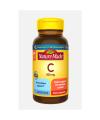
For shoppers comparing products, a supplement like Nature Made Super C With Vitamin D3 Zinc 60 Tablets shows how D3 can be combined with other nutrients in one tablet, but that does not automatically make it the right fit for bone goals. The formula is built for immune support, so the label has to be read for what it contains, not what the category name suggests.
For people looking at tooth and bone support from a broader nutrition angle, browse professional-grade products at DentalHealth.com is a useful resource because it shows how mineral support is often discussed in practical, food-and-supplement terms.
How Calcium and D3 Work Together in the Body
Vitamin D3 helps with the absorption step. Calcium is the mineral that has to cross the gut wall and enter circulation before the body can direct it where it is needed. Without enough D3 activity, the body does not move calcium as efficiently, so “take more calcium” and “absorb more calcium” are not the same idea.
D3 supports the passage, calcium supplies the mineral
A useful way to explain it is this, D3 supports the passage of calcium through the intestinal wall, and calcium provides the building material. D3 does not make calcium, and calcium does not move well on its own. Together, they help calcium reach the bloodstream, where the body can use it for bones, teeth, nerve signaling, and muscle contraction.
That is also why vitamin D testing matters. The circulating marker commonly discussed is 25(OH)D, which reflects vitamin D status more usefully than a rough guess based on sunlight or diet alone. When status is low, paired supplementation can address the bottleneck more effectively than calcium alone, especially when the goal is bone mineralization rather than a vague wellness benefit.
For people looking at tooth and bone support from a broader nutrition angle, browse professional-grade products at DentalHealth.com is a useful resource because it shows how mineral support is often discussed in practical, food-and-supplement terms rather than in abstract slogans.
Why the form matters
The body does not treat every D3-containing product the same way. A supplement can include D3 for bone support, but if the rest of the formula is built around another purpose, the label still needs a close look for the calcium dose, the type of calcium, and whether the serving fits with meals. That matters even more when a label combines minerals with other ingredients, because the nutrient job can change from one product to another.
A product such as Nature Made Super C With Vitamin D3 Zinc 60 Tablets combines vitamin D3 with vitamin C and zinc, so it is a clear reminder that not every D3 product is a dedicated calcium supplement. The name may sound close, but the nutrient purpose can be completely different.
What the Evidence Says About Bone Benefits
The strongest evidence for calcium with D3 points to a modest pattern, small gains in bone density, better correction of low vitamin D status, and mixed fracture results in generally healthier adults. That is the decision point many shoppers miss. They want a simple yes or no, but the research usually depends on baseline intake, age, and whether deficiency is already present.
What the big trials showed
The Women's Health Initiative reported a 12% reduction in hip-fracture incidence with calcium plus vitamin D, but that result was not statistically significant, and there were no significant reductions in vertebral, wrist, or total fractures (The New England Journal of Medicine). The same trial also found a small but significant increase in renal calculi, so kidney-stone risk belongs in the conversation when people are considering long-term use.
A later AHRQ systematic review found no significant reduction in total fractures or falls in elderly populations across trials using daily vitamin D doses of 400 IU to 822 IU, and the mortality risk ratio was 0.97 with a 95% confidence interval of 0.92 to 1.02, which points to no clear survival benefit from the combination in those trials. A recent review in osteoporosis patients also found that calcium with vitamin D may improve pelvic bone mineral density and correct serum 25OHD deficiency, but pooled fracture reduction was not demonstrated (PMC review).
How to read that without overreacting
The clearest reading is simple. Calcium with D3 can improve biomarkers and bone density, but it is not a dependable fracture shield for community-dwelling adults. That is why guideline language stays careful, especially for people without documented deficiency or bone disease.
A better way to picture the evidence is as maintenance work, not armor. If intake is low or vitamin D status is poor, the supplement can help bring the system back toward normal. If intake is already adequate, the extra benefit may be small, and the trade-off is that more supplement is not always better.
For a shopper, that means the central question is not whether calcium with D3 sounds bone-friendly. The question is whether there is a reason to correct low intake or low status, because that is where the evidence fits best. For a clinician, the same evidence fits into a broader osteoporosis plan, especially when the goal is to support bone health rather than promise a fracture-free future.
Age-Based Calcium and Vitamin D Targets
The most useful way to think about calcium and vitamin D is by life stage, not by generic wellness branding. For adults, the target depends on age and sex, and that is where the shopping decision becomes clearer. Women age 50 and younger are typically advised to get 1,000 mg/day of calcium, women 51 and older 1,200 mg/day, men 51 to 70 1,000 mg/day, and adults 70 and older 1,200 mg/day. Vitamin D recommendations are 600 IU/day for most adults and 800 IU/day for adults 70 and older.
Daily calcium and vitamin D targets by age group
| Group | Calcium (mg/day) | Vitamin D (IU/day) |
|---|---|---|
| Women 50 and younger | 1,000 | 600 |
| Women 51 and older | 1,200 | 600 |
| Men 51 to 70 | 1,000 | 600 |
| Adults 70 and older | 1,200 | 800 |
A second practical rule matters just as much as the daily target. Calcium is absorbed most effectively in doses of 500 mg or less at a time, so a large serving is often easier to split across meals than to take in one swallow. The body does not treat a huge one-time dose like a bigger bonus. It usually absorbs less of it.
How to use the numbers without overshooting
Start with food, then count supplements as the backup. That is the simplest way to avoid pushing calcium too high, especially if you already eat dairy, fortified milk, tofu made with calcium, or calcium-rich greens. The upper limits for adults are 2,000 mg/day for ages 70 and older and 2,500 mg/day for ages 19 to 50, while vitamin D has an upper limit of 4,000 IU/day for those adult groups.
Label reading matters. The front of the bottle sells the idea, but the supplement facts panel shows whether the daily total still makes sense. A shopper who eats calcium at breakfast and dinner may need less from pills than someone who rarely gets it from food.
For example, a younger adult who already drinks fortified milk and eats yogurt may only need a small top-up, while an older adult with little dairy intake may need a supplement to close the gap. The same logic applies to vitamin D. If sun exposure is low or dietary intake is sparse, a calcium with D3 product may fit better than calcium alone, but the dose should still match the person, not the marketing.
Timing, Form, and What to Avoid Mixing
Calcium supplements do not all behave the same way in the body. Calcium carbonate provides more elemental calcium per pill, but it should be taken with food. Calcium citrate is more flexible, since it can be taken with or without meals and is often easier to use when stomach acid is lower.

Timing that is practical
D3 absorbs better when it's taken with a meal that contains some fat, so breakfast or dinner usually works better than a random midday snack. The goal is not to find a perfect minute. It is to build a routine that is easy to follow and repeat without thinking.
Some combinations need spacing. Calcium can interfere with the absorption of iron, zinc, levothyroxine, and certain antibiotics when they are swallowed at the same time, so separating them by a couple of hours usually solves the problem. That matters more than many shoppers realize, because a supplement routine breaks down fast when it starts clashing with medications.
A practical shopping shortcut
If you prefer chewables, a product like KAL Calcium Citrate 60 Chewables 500mg Mixed Fruit Flavor Bone Support fits the citrate pattern, which can be easier to schedule around meals. If you are comparing broader mineral blends, Amazing Formulas Calcium Magnesium Zinc Vitamin D3 300 Tablets shows how often calcium gets paired with other minerals, but that also means label timing needs more attention.
Who Really Benefits From a Calcium D3 Supplement
A 32-year-old vegan who eats little fortified food is in a very different position from a 68-year-old woman with low bone density. The supplement might make sense in one case and be mostly extra pill burden in the other. A pregnant shopper is another separate case, because prenatal products often already include D3, and calcium needs are usually better handled by food choices unless a clinician points otherwise.
Three common scenarios
The vegan shopper is usually asking a diet question first. If dietary calcium is low and sunlight exposure is inconsistent, a calcium with D3 product can help fill the gap. That doesn't mean every vegan needs one, only that this is a situation where supplementation is easier to justify because the likely shortfall is concrete.
The pregnant shopper has a different problem. The focus is usually on total prenatal coverage, food intake, and avoiding unnecessary stacking of ingredients across multiple products. If a prenatal already contains D3, adding another daily pill without checking the total dose can create clutter rather than benefit.
The 68-year-old postmenopausal woman with low bone density is where calcium with D3 often fits best. The evidence base is more relevant in older adults and in people already being managed for osteoporosis risk. In that setting, calcium and D3 are usually adjuncts, not the whole plan.
Primary prevention is the weak spot
For otherwise healthy community-dwelling adults, routine supplementation is not strongly supported as a primary prevention strategy. High-quality reviews and guideline summaries note that calcium and vitamin D are not recommended as a blanket way to prevent fractures in adults without clear risk factors or bone disease (PMC review).
Decision rule: If you're not deficient and you don't have osteoporosis or another risk factor, ask whether the supplement solves a real problem or just adds a routine.
That's the honest dividing line most shopping pages skip. Some people need nutrient correction. Others only need more calcium-rich foods and a blood test if there's a reason to look further.
How to Choose a Quality Calcium With D3 Product
A good calcium with D3 product starts with the label, not the front-of-box claim. You want to see the form of calcium, the elemental calcium per serving, the vitamin D3 amount, and whether the product has third-party testing such as USP or NSF. Those details matter because the pill's total weight is not the same as the amount of mineral your body can use.

What to check before you buy
- Third-party testing: Look for a USP or NSF seal when possible, because it adds a layer of quality verification.
- Calcium form: Choose carbonate if you want a meal-based option with more elemental calcium per pill, or citrate if you want more flexibility.
- Elemental dose: Read the supplement facts panel, not just the front label, so you know how much calcium you're getting.
- Vitamin D3 amount: Confirm the D3 dose fits your age and your other supplements. For many adults, the benchmark is in the 600 to 800 IU/day range from the NIH (NIH Office of Dietary Supplements).
- Ingredient list: Shorter is often easier to manage, especially if you already take other minerals or medications.
Whether the product matches your situation is the key consideration. A younger adult with a calcium gap from food, an older adult with lower bone density, and someone already taking a prenatal all have different needs. A label that looks polished can still be the wrong fit if it duplicates nutrients you already get elsewhere or gives you a form that is awkward to take.
A supplement can also be a clue about its intended use. NOW Vitamin D-3 & K-2 is a useful example of a D3-focused formula paired with another bone-related nutrient, while Nature Made Super C With Vitamin D3 Zinc 60 Tablets shows how vitamin D can sit inside a product built for a different goal. That kind of comparison helps you read past the branding and ask what the formula is designed to do.
A simple rule helps here. If you are choosing between products, ask whether the supplement fills a real gap, supports a higher-risk stage of life, or just repeats nutrients already covered by food and other pills. That keeps the decision grounded in need, not packaging.
The same cautious approach applies in other supplement categories too. A clear example is the River of Life turmeric guide, which also encourages shoppers to look at formulation details before buying.
Safety, Testing, and Common Questions
Do you need calcium with D3 if your intake is already solid? Sometimes you do not. If food covers most of your calcium needs and you do not have osteoporosis or another bone concern, the supplement may add little beyond another pill to remember. A better approach is to check your usual diet, look at your risk factors, and then decide whether the product fills a real gap.
Should you test vitamin D first
Testing 25(OH)D is most useful when you have risk factors, low sun exposure, darker skin, older age, or bone concerns. It is not something every healthy adult needs on day one, but it can keep you from guessing. That matters when you are deciding whether calcium with D3 is meant to correct a low level or support routine maintenance.
Too much vitamin D is the wrong kind of simple. Toxicity is tied to hypercalcemia, and it is almost always caused by excessive supplemental intake, not by normal food intake (NCBI Bookshelf). Adult guidance places the upper limit at 4,000 IU/day, so taking more than one product without checking the totals can push intake higher than you intended.
If you want to compare this kind of nutrient caution across supplements, the same careful reading applies elsewhere too. A plain example is the River of Life turmeric guide, which shows how to separate ingredient logic from marketing language.
For shoppers who want less friction while they decide, a product like calcium, magnesium, zinc, and vitamin D3 tablets can be one way to cover multiple nutrients in a single formula, but only if that mix matches your needs. Even then, the main question stays the same. Whether calcium with D3 belongs in your routine should come down to diet, age, bone risk, and whether a clinician has identified a real need.








Please complete your information below to login.
Sign In
Create New Account