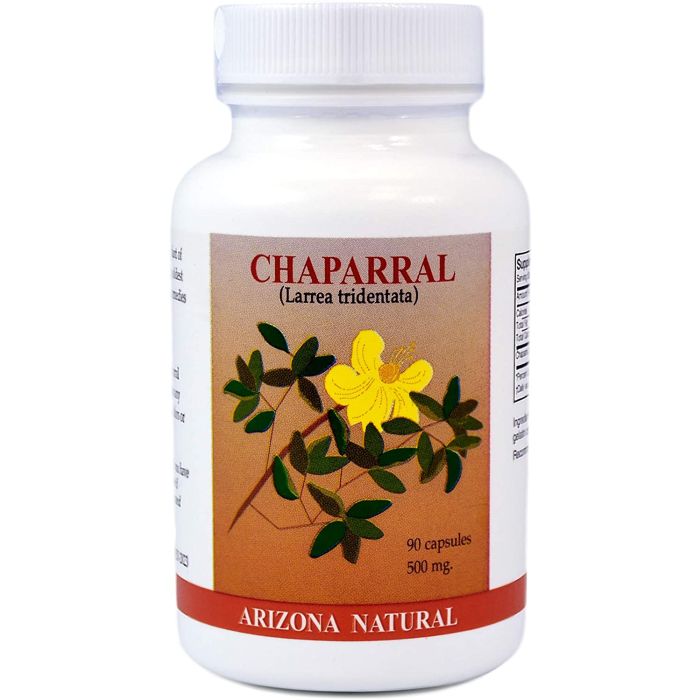
Chaparral is the most common plant in the deserts of the Western Hemisphere, and Native American tribes have long used it for its therapeutic benefits. Chaparral was used to heal a wide range of ailments, including intestinal, skin, and lung diseases. It was regarded as a panacea by many cultures. This tough desert shrub, also known as creosote, greasewood, and gobernadora, rules its environment and can live for more than 10,000 years.
NDGA (Nordihydroguaiaretic acid) is the main metabolite of chaparral, and the focus of many clinical trials because of its unique approach to SP-1 viral based disorders like Herpes simplex (HSV-1 and HSV-2), HIV, and some tumors. NDGA is an “SP-1 transcription inhibitor” which means it has been shown in clinical trials to halt proliferation (reproduction) of those viral cells that cause outbreaks. Traditional methods seek to reduce the lifespan of these outbreaks only after they occur.


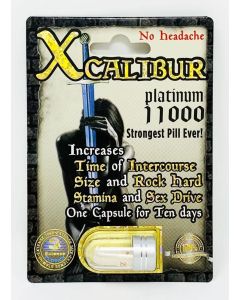 Xcalibur Platinum 11000 Male Sexual Performance Enhancement PillSpecial Price $10.80 Regular Price $15.00




Please complete your information below to login.
Sign In
Create New Account